What Makes an EDC Flashlight Brand Reputable?
Ask five people to name a top flashlight brand and you'll probably get five different lists. Flashlight forums argue endlessly over value picks, gear sites publish a new roundup every few months, and a quick Amazon search turns up unfamiliar names that look convincing right up until you read the one-star reviews. For anyone trying to buy, or source, a genuinely reliable EDC flashlight, sorting real reputation from marketing noise takes some digging.
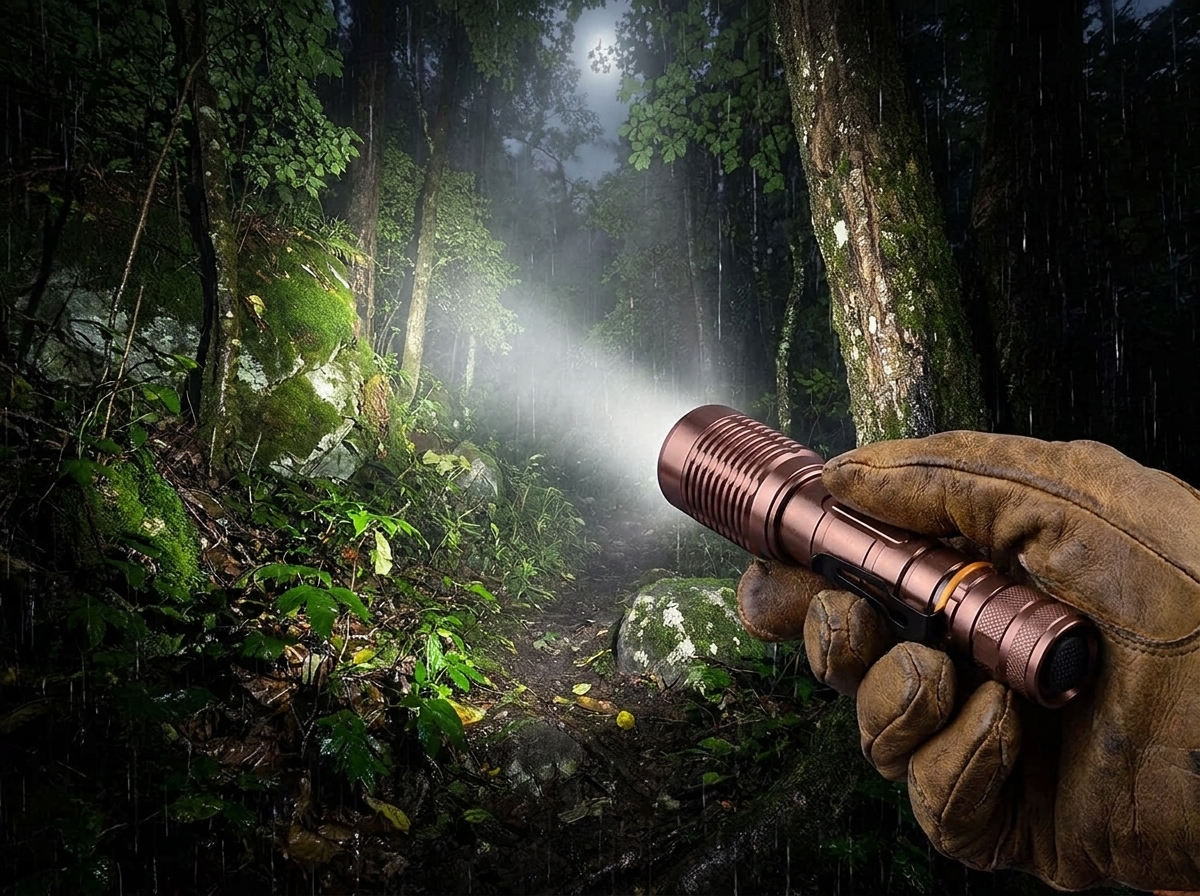
This matters more than it looks. A flashlight that fails at the wrong moment isn't just annoying — for police officers, EMTs, contractors, or hikers relying on it after dark, a dead light or a melted driver is a real problem. Reputation among EDC flashlight brands gets built on things that are hard to fake: consistent output specs, honest IP ratings, battery safety, and a warranty that actually gets honored when something breaks. Below is a rundown of the companies that have earned that reputation, along with a practical framework for judging any brand, including ones that don't make this list.
"EDC" simply stands for everyday carry: the small set of tools someone keeps on them daily, usually a knife, a wallet, keys, and a compact flashlight small enough to live in a pocket or clipped to a bag. That size constraint is exactly why brand matters so much here. A full-size duty light has room for a bigger heatsink and a bigger battery to mask engineering shortcuts; a pocket-sized light doesn't, so cutting corners on the driver, the LED bin, or the battery protection circuit shows up fast.
What Makes an EDC Flashlight Brand Reputable
Before naming names, it helps to define the term. Most of the EDC flashlight brands that have earned real trust check off nearly every item on this list:
- Independently verifiable specs, not inflated marketing numbers. The better-known names test output, runtime, and beam distance against the ANSI/NEMA FL1 standard, the industry benchmark for how those figures are measured and reported.
- A real safety record with lithium-ion cells, including proper protection circuits, sensible thermal management, and clear charging instructions.
- Consistent build quality across production runs, not just in the review sample sent to a YouTuber.
- A warranty that actually gets honored, backed by customer support that's easy to reach.
- A track record. Brands that have made lights for a decade or more have usually already worked out the durability issues that trip up newer, unproven names.
None of this is exotic. It's the same due diligence you'd apply before buying a power tool or a car battery. The difference is that flashlight marketing leans unusually hard on lumen numbers, and lumens alone say very little about whether an EDC flashlight will hold up after two years of being dropped, rained on, and shoved in a pocket.
Premium and Tactical-Grade Brands Worth Knowing
At the top end of the market sit a handful of brands that built their reputation supplying military and law enforcement customers long before they had any civilian EDC flashlight lineup at all.
SureFire is probably the name most associated with hard-use reliability. Founded in 1979 as Laser Products before adopting the SureFire name in the 1980s, the company built its reputation on weapon-mounted lights for U.S. special operations units and has stayed close to that customer base ever since (SureFire's company history). Its EDC-oriented models carry a premium price tag, but the machining, switch feel, and beam quality reflect decades of military-spec engineering.
Streamlight, based in Pennsylvania, has supplied law enforcement and first responders for decades, and its pocket-sized lights like the ProTac series are built around the same durability standards as its duty lights. Reviewers consistently point to its IPX7 ratings and impact resistance as reasons it holds up in professional settings where a light genuinely cannot fail.
Fenix occupies a slightly different spot: a Chinese manufacturer that built international credibility through consistent quality control and aggressive third-party testing rather than a military pedigree. Independent testers rank Fenix's output figures among the most trustworthy in the mid-to-premium segment, and the brand rarely gets accused of inflating its numbers.
Enthusiast-Favorite Brands With a Track Record
A second tier of brands built its reputation less through military contracts and more through years of transparent testing, active community engagement, and fast product iteration.
Olight is probably the most recognizable name in this group, known for magnetic charging systems and a broad EDC lineup. The brand's recent shift to USB-C charging on flagship models like the ArkPro addressed a longstanding complaint from its own user base.
Nitecore has a reputation among enthusiasts for pushing technical boundaries, from multi-LED high-output pocket lights to niche tools that pack white light, UV, and a laser module into one body.
ThruNite and Zebralight are smaller names but well respected inside the flashlight enthusiast community, Zebralight in particular for its unusually efficient drivers and compact 18650-based designs that reward users willing to learn a less intuitive interface.
These names show up again and again in independent gear reviews. GearJunkie's testing team, for one, has rated lights from Fenix, ThruNite, and Olight among its top picks after months of side-by-side use (GearJunkie's flashlight testing), and the enthusiast community at 1Lumen has published detailed breakdowns comparing dozens of models across output, thermal performance, and interface design (1Lumen's EDC flashlight rankings).
Budget Brands That Punch Above Their Price
Reputation doesn't only belong to premium names. A newer wave of budget-focused EDC flashlight brands has earned real credibility by delivering specs that used to require a much bigger budget.
- WUBEN and Wurkkos both offer IP68-rated, USB-C rechargeable lights in the 1,200–2,000 lumen range at a fraction of premium pricing, with aluminum builds that hold up reasonably well to daily carry.
- RovyVon has carved out a niche in ultra-compact keychain-style EDC lights, a category where fit and finish matter as much as raw output.
- The tradeoff at this price point usually shows up in thermal management — budget lights tend to step down output faster on their highest settings — and in warranty terms that typically run one to two years instead of the lifetime coverage some premium brands offer.
A well-regarded buying guide from SFT Gear, written by a former infantry officer with years of hands-on testing, makes a similar point: budget doesn't have to mean unreliable, as long as buyers stick to established names instead of unbranded listings (SFT Gear's EDC flashlight guide).
How to Vet Any Flashlight Manufacturer Yourself
Lists like this one go stale. New names earn their reputation every year, and a few established ones slip. A more durable skill is knowing how to judge any flashlight manufacturer on your own, list or no list:
- Check for ANSI/FL1 testing. If a brand quotes lumens, beam distance, and runtime without referencing this standard, treat the numbers with some skepticism (Pelican's overview of ANSI flashlight standards).
- Look at the actual IP rating, not just the word “waterproof.” IPX4 and IPX8 are very different guarantees, and vague marketing copy is usually a red flag.
- Read reviews from owners who've had the light for months, not days. Early impressions rarely catch thermal throttling or driver flicker, and those issues tend to show up later.
- Confirm battery safety features. Reliable manufacturers use protected cells or built-in protection circuits and document charging specs clearly, since mishandled lithium-ion batteries carry real safety risks.
- Ask about certifications. CE, RoHS, and FCC marks show a manufacturer has actually put its products through recognized compliance testing, which matters even more for buyers sourcing in bulk.
- Test the warranty process before you need it. A quick email to support with a basic question tells you a lot about how a brand behaves once something actually goes wrong.
-
Where Contract Manufacturing Fits Into the Picture
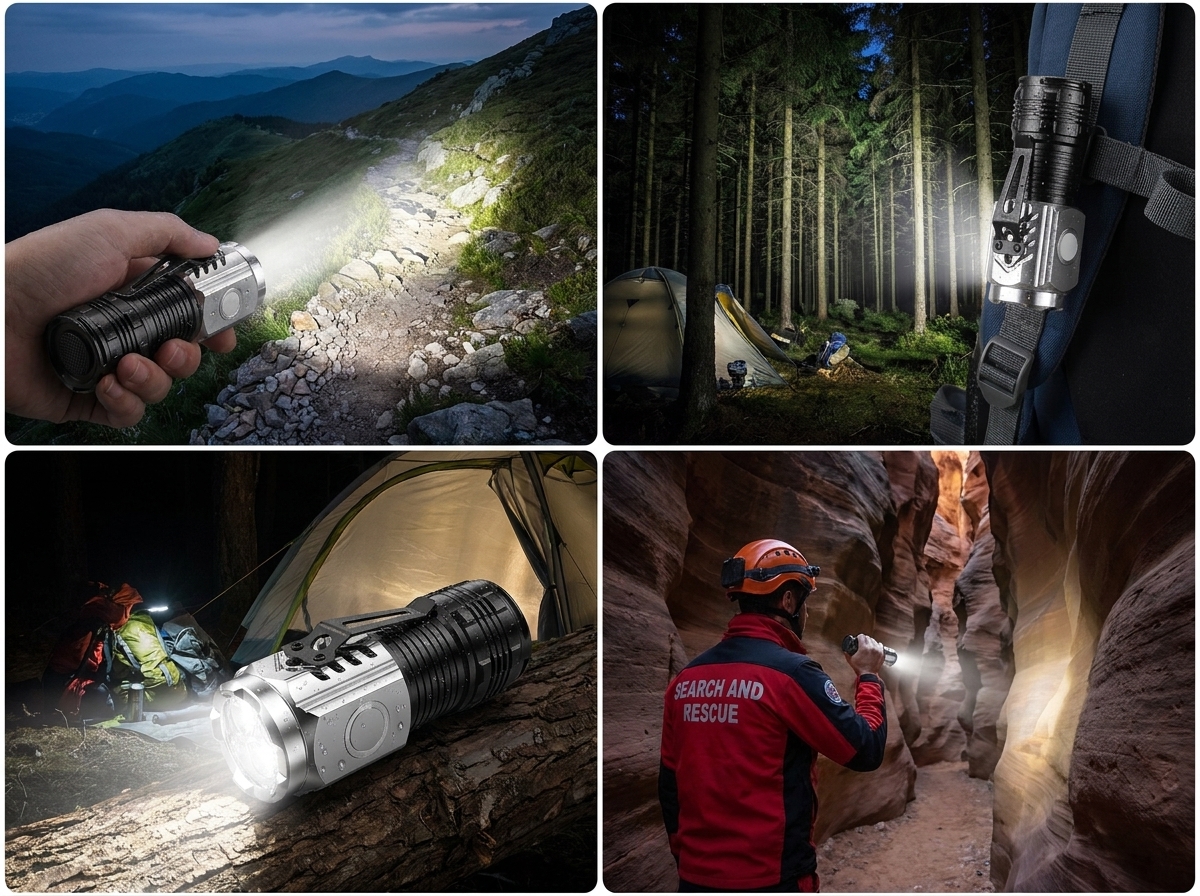
Here's something worth knowing if you're buying, or building, in this category: a large share of the flashlights sold under the brand names above, and under thousands of smaller labels besides, come out of a fairly small pool of manufacturing facilities in China. Brand reputation is real and it matters, but a lot of it ultimately traces back to which factory a company partners with, how strict its quality control is, and whether it's willing to pay for proper battery protection circuits and certified testing instead of cutting corners.This is where a manufacturer like LEBOTE fits into the conversation, not as a challenger to SureFire or Olight for retail shelf space, but as the kind of flashlight manufacturer that lets smaller and mid-size EDC flashlight brands compete on the same quality footing as the established names. Our aluminum flashlight and rechargeable flashlight lines are built to the same waterproof, USB-C, and lithium-safety standards buyers expect from the names covered above, and our handheld flashlight range covers the compact, pocket-carry designs suited to daily use.
Frequently Asked Questions
Q: Is a more expensive EDC flashlight always more reliable?
A: Not always, and the price tag can be misleading. A good chunk of what you're paying for is machining quality, warranty length, and the brand's track record, not just raw output. Quite a few mid-price and even budget lights now match premium specs on paper, but they tend to fall behind on thermal management or on holding up after a year or two of daily carry.
Q: How can I tell if an unfamiliar flashlight brand is legitimate?
A: Start by checking whether its specs are ANSI/FL1-tested, whether the IP rating is actually documented somewhere, and whether certifications like CE or RoHS show up anywhere on the listing. A clear, easy-to-find warranty policy is another good sign. If a brand's page leans entirely on lumen numbers and skips all of this, that's usually worth a second look before you buy.
Q: Are Chinese-made EDC flashlights less reliable than U.S.-made ones?
A: Not really — country of origin tells you far less than the specific factory and quality control process behind a given product. Fenix and Nitecore, two of the most trusted names among enthusiasts, both manufacture in China, and they earned that trust through consistent testing and honest specs, not through where the factory happens to be located.
Q: What's the difference between a flashlight brand and a flashlight manufacturer?
A: A brand usually handles the design, marketing, and customer support side of things, while a flashlight manufacturer actually handles the engineering and production, often for more than one brand at a time. A lot of well-known EDC flashlight brands rely on contract manufacturers rather than owning their own factories outright.
Q: How often should EDC flashlight brands update their lineup?
A: Roughly every one to two years for the brands worth paying attention to, and usually tied to a real change — a newer LED chip, a better USB-C charging circuit, or improved cells — rather than a cosmetic reshuffle every few months just to stay visible.
Q: How many lumens does a good EDC flashlight actually need?
A: For everyday tasks, somewhere between 300 and 1,000 lumens on a well-regulated driver covers you fine. Bigger numbers look great in marketing copy, but a pocket-sized light claiming several thousand lumens usually can't hold that output for more than a minute before it steps down anyway — so runtime at a brightness you'd actually use matters a lot more than the peak figure printed on the packaging.Partner With a Flashlight Manufacturer Built for EDC Reliability
LEBOTE has spent over a decade manufacturing rechargeable LED flashlights for brands and distributors who need the same reliability standards covered in this guide: IPX6+ waterproofing, ANSI-comparable output testing, USB-C charging, and CE/RoHS/FCC-certified builds. Our product lines cover everything from compact keychain-style EDC lights to higher-output tactical-style models, all built on production lines set up for consistent quality control rather than one-off runs. Whether you're building a private-label EDC lineup or sourcing a dependable rechargeable flashlight manufacturer for an existing product range, our OEM/ODM team can match specs, branding, and packaging to your market. Browse our full flashlight catalog or reach out directly to discuss your next project.
Who Are the Leading Camping Lantern Manufacturers in 2026