Bulk Buying Guide for Waterproof Handheld Flashlights
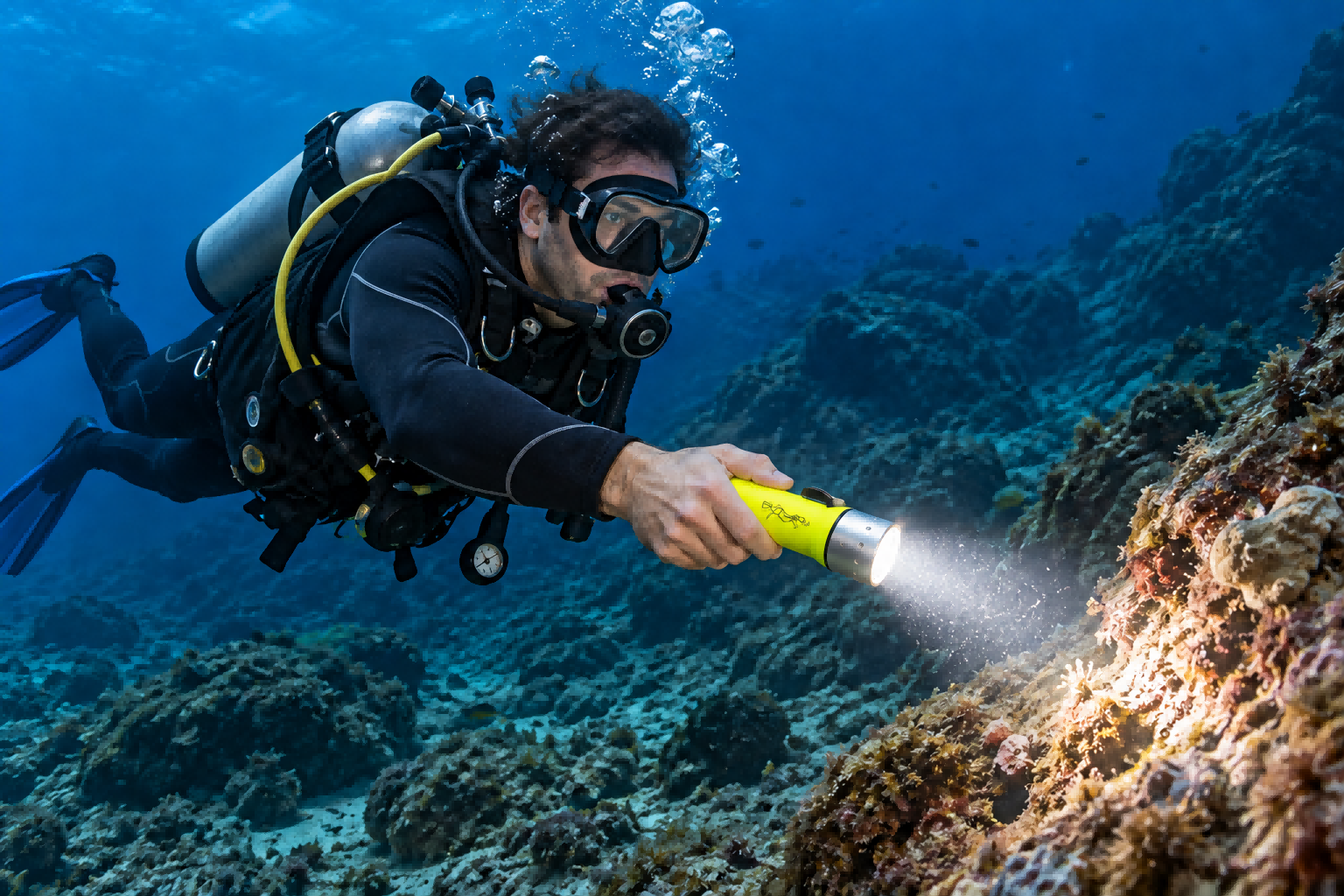
A flashlight may look perfectly adequate in a quick desk check but can be a real pain on the job. The switch might be too small to operate with gloves on, the beam too narrow for the close work you're doing, or the charging arrangement just plain awkward during shift handovers. You need to iron all those issues out before you go and order in the quantities you're going to.
This guide covers how to decide on a bulk industrial order, from picking the right flashlight for the job site to approving samples and arranging delivery. Start by considering who the flashlight is for and what conditions it will be used in. That, in turn, will help you compare quotes.
Match the torch to the job.
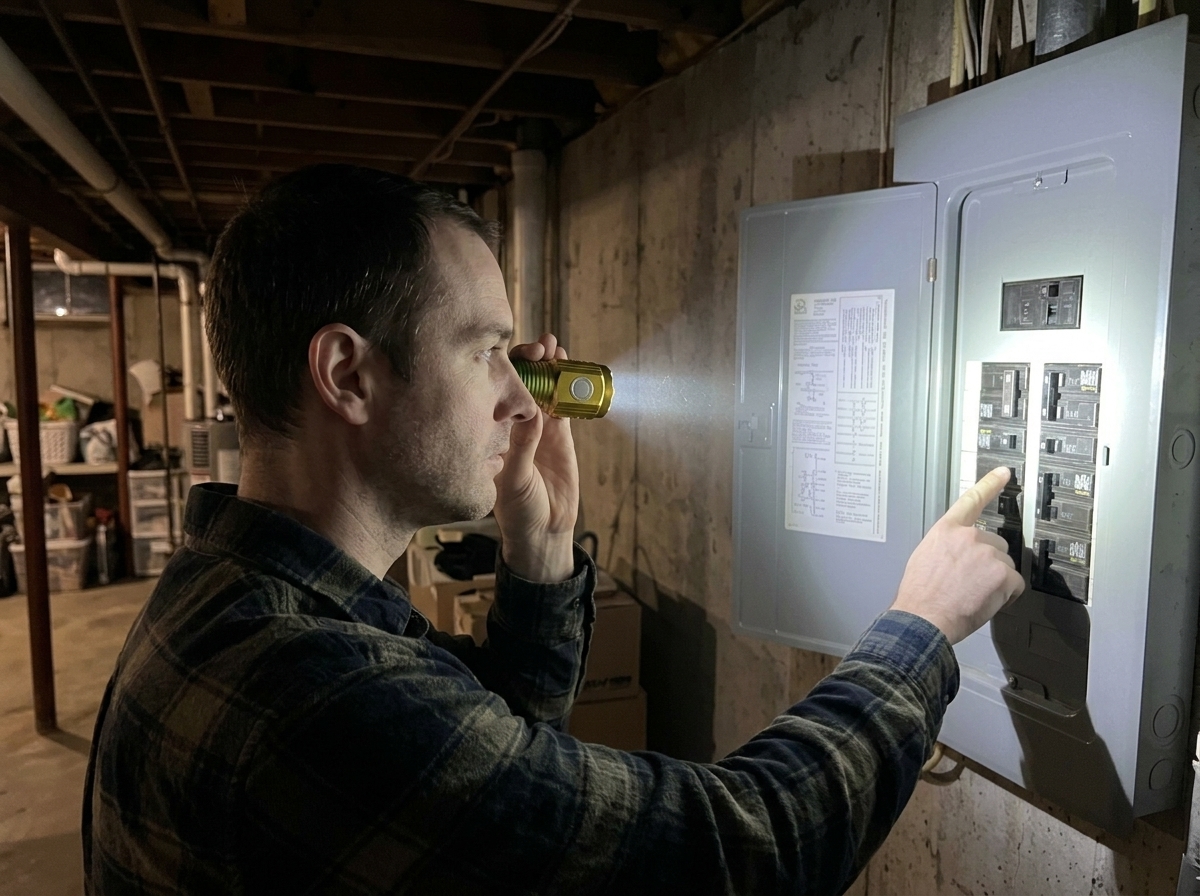
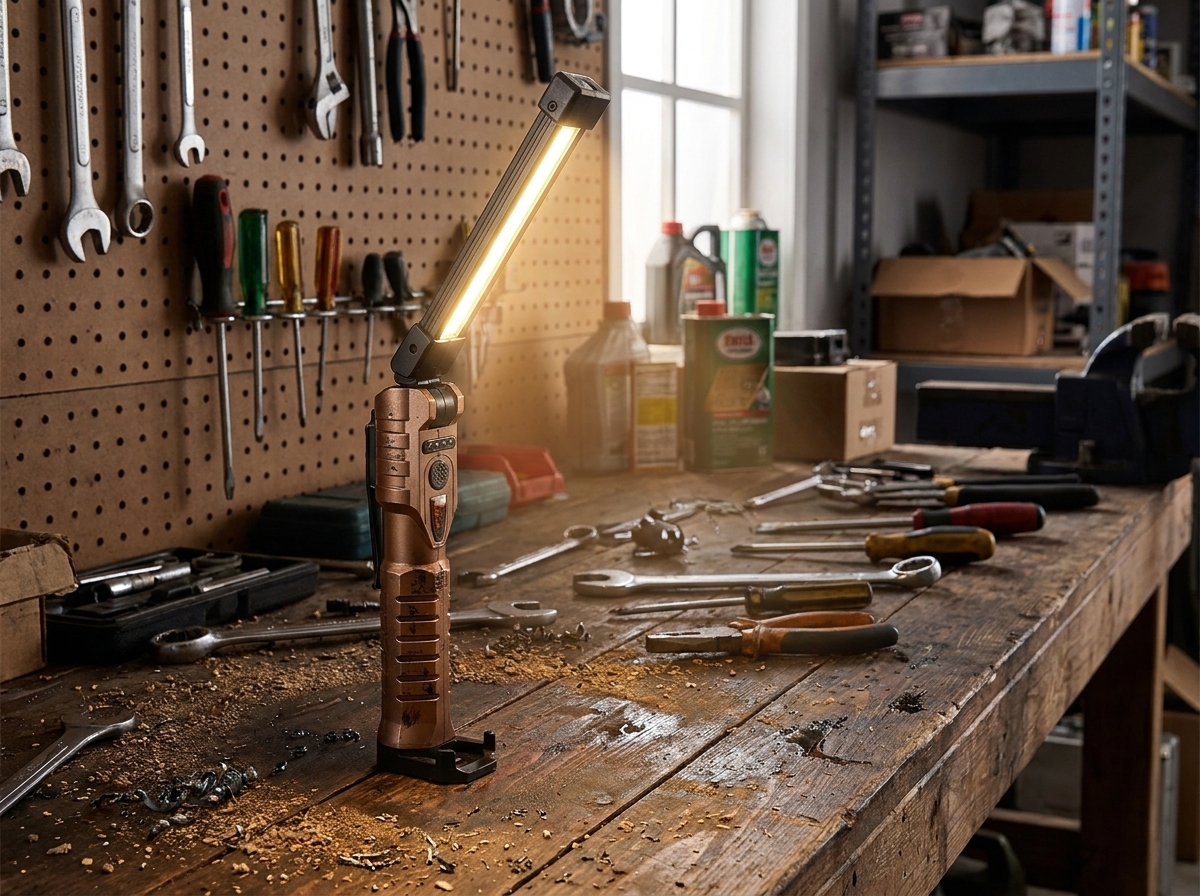
A build crew and a maintenance team may both need waterproof lights, but they're unlikely to need the same model. Inquire of the user what they need to see, how long they need the light, and what problems they have with their current equipment. Use their answers to formulate your specification.
|
Construction |
Rain, dust, drops and operation with gloves |
Ingress and impact reports; grip and switch trial |
|
Inspection and maintenance |
Readable labels, a controlled beam and convenient carry |
Task trial, runtime and charging arrangement |
|
Mining or underground work |
Shift requirements and any applicable mine approval |
Exact model marking and required approval records |
|
Chemical facilities |
Area classification, cleaning and material compatibility |
Site safety requirements and applicable equipment approval |
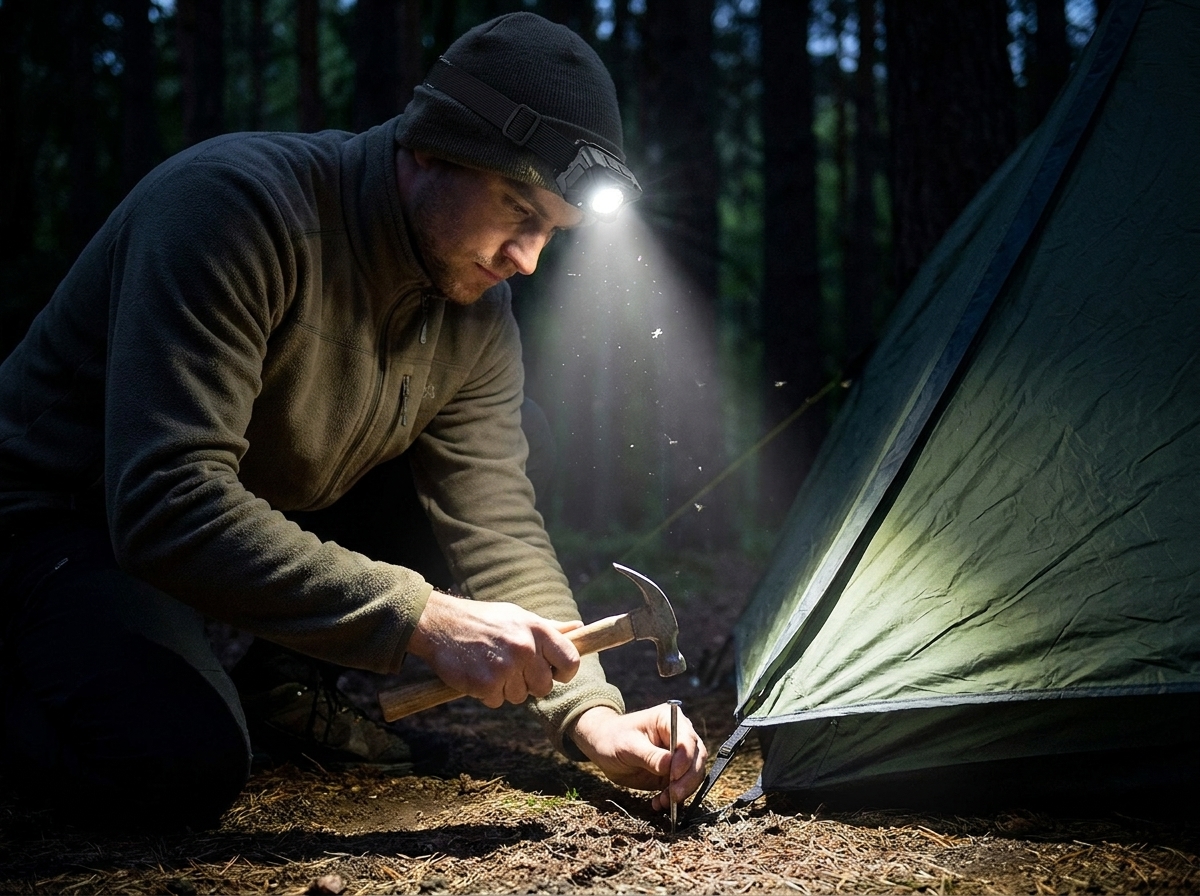
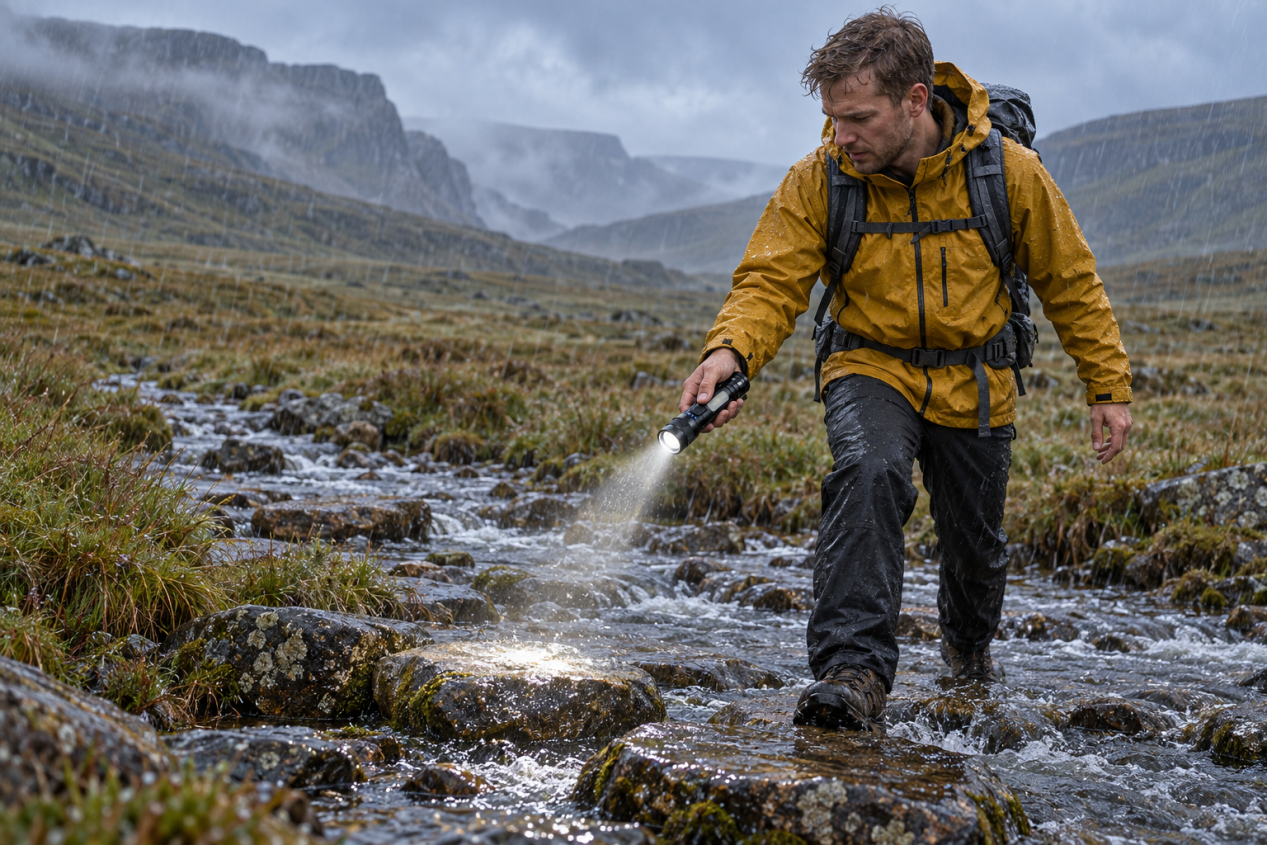
If you're buying flashlights for camping, think about their weight, how well they'll light up a campsite, and how you'll recharge them between trips. For outdoor waterproof flashlights, you'll need to know the type of rain, mud, and water exposure you can expect. For diving flashlights, you need to know how deep and for how long they'll be used and ask the supplier to confirm the model's rated depths. Go through the actual exposure with the site team: water, dust, temperature, chemicals, and likely drops. You'll also need to know the viewing distance, shift length, and access to charging. A light used for occasional checks will have very different runtime requirements than one carried through a long inspection route.
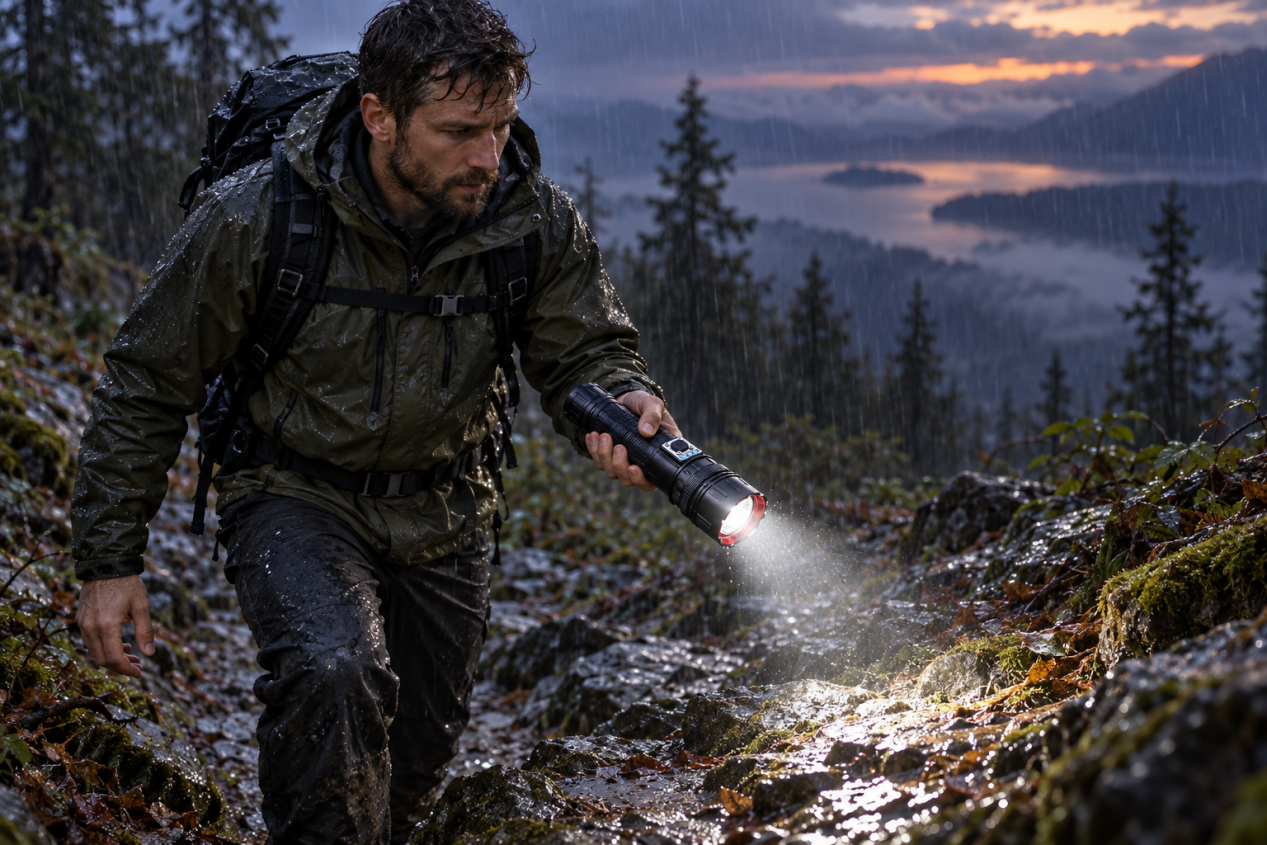
Turn waterproof into a 'must-have' requirement.
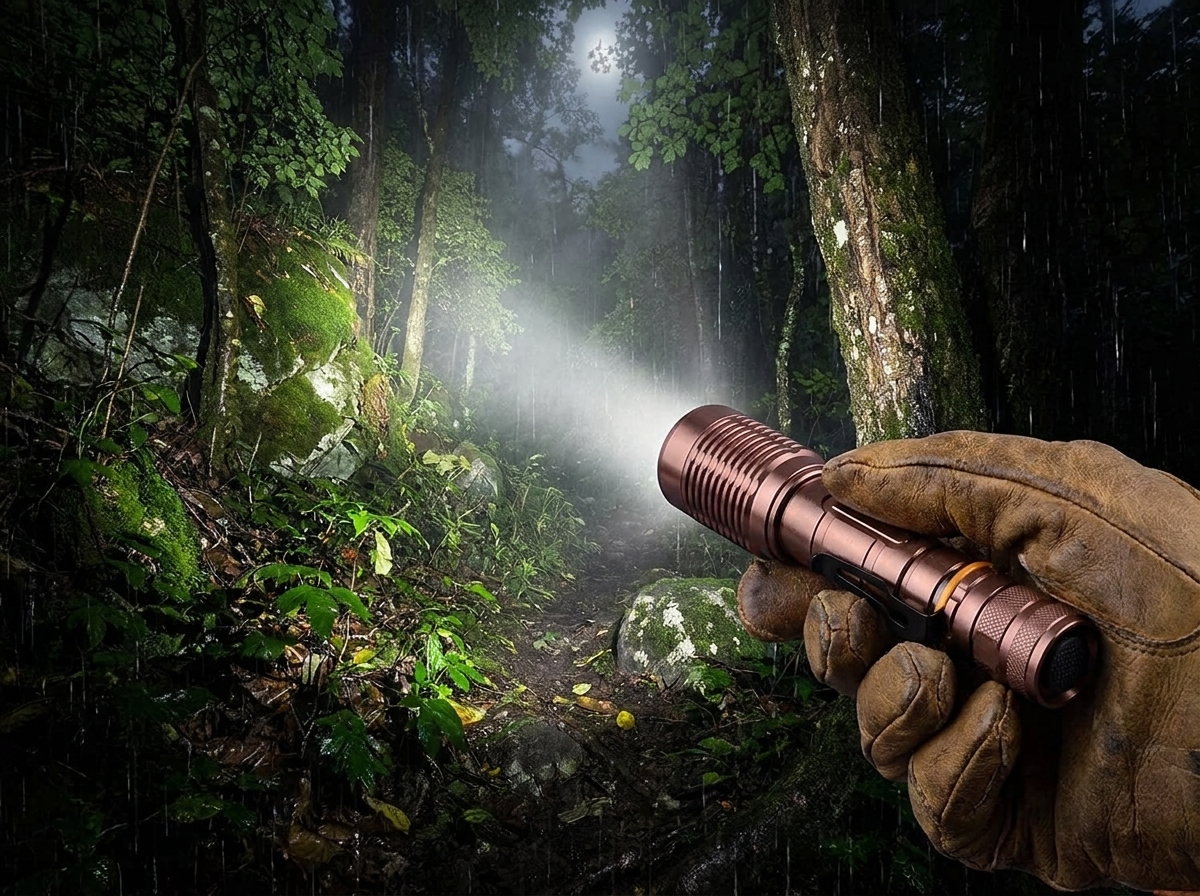
Ask for the full IP code and the test report that goes with it. IEC 60529 defines the code by the level of protection the enclosure provides. Merely stating "waterproof" is of no use at all. You need to know whether it's been tested to the level of rain, splashes, water jets, or temporary immersion. An immersion rating in itself doesn't tell you anything about water jets or cleaning. You have to be very clear about the actual exposure, and you need to check how the product is sealed and assembled in actual use. The charging cover, seals, and battery cap tested must match those on the model you're going to receive.
Test these parts during your sample trial. Can the operatives actually close the charging cover with wet hands? Does the battery cap go back on without in any way affecting the seal? Check chemical compatibility and temperature limits separately, especially if the lights are going to be cleaned regularly or used in the vicinity of process equipment.
Resolve the hazardous area requirements before shortlisting.
If there is any possibility of flammable gases, vapours, or combustible dust, speak to your site safety officer before selecting a model. A flashlight that is water- and drop-resistant is not necessarily safe for use in an explosive atmosphere.
For US workplaces, OSHA 29 CFR 1910.307 applies to equipment in hazardous classified areas. In the EU, the relevant framework for equipment intended for use in potentially explosive atmospheres is ATEX. The certification and marking must be appropriate to the location and conditions of use. Plain old CE or IP certification is not adequate in that situation.
Check the exact model, the approved battery configuration, and any use limitations. Mining applications may have further approval requirements, so check those with the relevant authority rather than relying on a "mining light" catalogue label. Be absolutely clear that general-use and restricted-use equipment are separate when you're issuing the lights to crews.
Compare useful light over time.
Max lumens tell you absolutely nothing about how the torch will perform in the middle of a job. Which mode was it in when they achieved that figure? What battery was used? How does the output change as the battery runs down? An output vs. time graph is far more useful than a single figure. Define a minimum useful runtime for the task and then test the beam at the normal working distance. A very bright central beam can make it hard to read a label right next to it; a wider beam may be better when you're working around equipment. It's far better to have users test the torches on the same surfaces rather than have them look at beam photos.
When you're looking at performance reports, check which test method was used (e.g., ANSI/PLATO FL 1, if that's the case) and make sure you're comparing like with like. For impact results, you'll need to know the drop height, the surface, and the pass criteria. State the battery type, operating mode, and ambient conditions so you can make a valid comparison.
Check the docs against the sample.
A report for a flashlight that looks essentially the same could be for a completely different range of electronics, seals, and batteries. Ensure the model number on your quote corresponds to the reports, labels, and manual. If the names differ, ask the supplier to explain the relationship between them before you place the order. Get several samples in the quoted configuration (including chargers and accessories). Use the same written trial plan with all the suppliers. Note how the switch operates, the mode sequence, the beam, the runtime, the charging behaviour, and any differences between units. Formal ingress or impact tests require proper setups, and a user trial cannot substitute for a test report.
Once you've accepted the sample you'll need to keep a labelled reference and approve on the spec. For private label or OEM/ODM orders you'll need to supply the artwork, packaging, manuals, battery, charger and any other agreed materials or firmware. Any substitutions must be approved in writing. Check the destination market docs (e.g. RoHS) against the config you've been supplied with.
Find out what the MOQ and delivery date depend on
There's no standard factory MOQ at all unless you know the model and any custom features. A logo, a printed box, a different battery, etc., can all alter the MOQ. Confirm what the quantity is based on and whether you can place a smaller trial order.
|
Standard model |
Stock or production batch size |
Availability, inspection and dispatch |
|
Private label |
Printing and packaging quantities |
Artwork, print proof and sample approval |
|
New OEM or ODM design |
Tooling and component quantities |
Engineering, tooling, testing and pilot run |
Ask when the lead time actually starts as that can vary depending on the deposit, final specs, artwork and sample approval. The ship ready date should be distinct from the estimated transit and arrival dates. Before you go and commit to any schedule you need to have components ready, you need to have a production slot and you need to have sufficient time to allow for any corrections that may be required. For rechargeable products you need to confirm the battery type, transport test certificates, packing and carrier acceptance prior to booking. IATA rules of course apply to air shipments with lithium batteries. You need to include the agreed Incoterms rule and named place in the order and make sure that everyone is clear as to who is responsible for the booking, the customs and the final delivery.
Compare the cost of keeping the lights in service.
Use the same RFQ for all suppliers and ask them to list any exclusions. It's very difficult to compare prices if one quote contains chargers and packaging and the other doesn't. If applicable, include the cost of samples, testing, tooling, and inspection.
Also consider what happens after the first consignment. Can you get replacement batteries, spare chargers, and spare parts? How are warranty claims dealt with? Who will be responsible for charging the lights between shifts, and how many charging points will you require? For the hazardous area models in particular, you need to ensure replacements and charging comply with the approved arrangement and instructions. Agree on the defect categories, inspection criteria, and remedies before production. The supplier needs to know whether a failed inspection will result in rework, replacement, or something else, and who will pay. Those terms make the approved sample useful when the batch arrives.
Frequently Asked Questions
Q: Should every team get the same model?
A: Only if the tasks and the safety requirements are the same. You can certainly have separate specs for close inspection, general site work, etc. You have to balance stocking simplicity with each crew's individual requirements.
Q: Which sample is the production reference?
A: Use the signed pre-production sample (the one that is to the final specification in terms of battery, charger, labelling, and packaging). Date it and keep a record of the approved version so that you can track any subsequent changes.
Q: Can the supplier guarantee one MOQ or one delivery time for future orders?
A: Always ask for the basis of each quote. Model availability, component volumes, customisation level, and production capacity can all change. Be sure to reconfirm the quantity and schedule when you place a repeat order.
Q:Where can I purchase waterproof handheld flashlights in bulk?
A:If you contact Ningbo Lecho Electronics Co., Ltd about a bulk order, please include the application, required specs, quantity, destination, and delivery window. Include any branding, packaging and documentation specifications and any details which would require technical input. Ask for a suggested model, supporting reports, sample terms, and a full quote so you can review everything before placing the order.
OEM and ODM Flashlight Manufacturing Process Explained