OEM and ODM Flashlight Manufacturing Process Explained
First-time buyers tend to picture the process like this: email a logo, wait, get a pallet. Real projects have seven checkpoints between those two ends. When a launch slips, it nearly always slipped at one of them, and usually because somebody assumed a step was obvious. So here's the sequence as it actually runs, with what the factory needs from you each time. It applies whether you're handing a finished design to an OEM flashlight manufacturer or sketching something new with a custom flashlight manufacturer.
OEM and ODM, minus the jargon
People swap these two terms all the time. With OEM, you bring the design (drawings, a spec, sometimes just a detailed brief) and the factory builds it. With ODM, the factory already has a working design and you put your name on it, maybe with changes to the housing, the light source, or the firmware. Real projects blur the line. A lot of them start from a factory platform and get modified until the result is clearly yours.
|
Factor |
OEM |
ODM |
|
Who owns the design |
Buyer, usually supplied as drawings or specs |
Factory's existing platform, with buyer-side changes |
|
Tooling |
New molds built to the buyer's design |
Existing molds reused, or modified |
|
Lead time to first sample |
Longer, since engineering starts from the brief |
Shorter, since a working base already exists |
|
Upfront cost |
Higher, driven by tooling |
Lower, mainly packaging and branding |
|
Best for |
Brands with a defined, differentiated product |
Distributors testing a new line quickly |
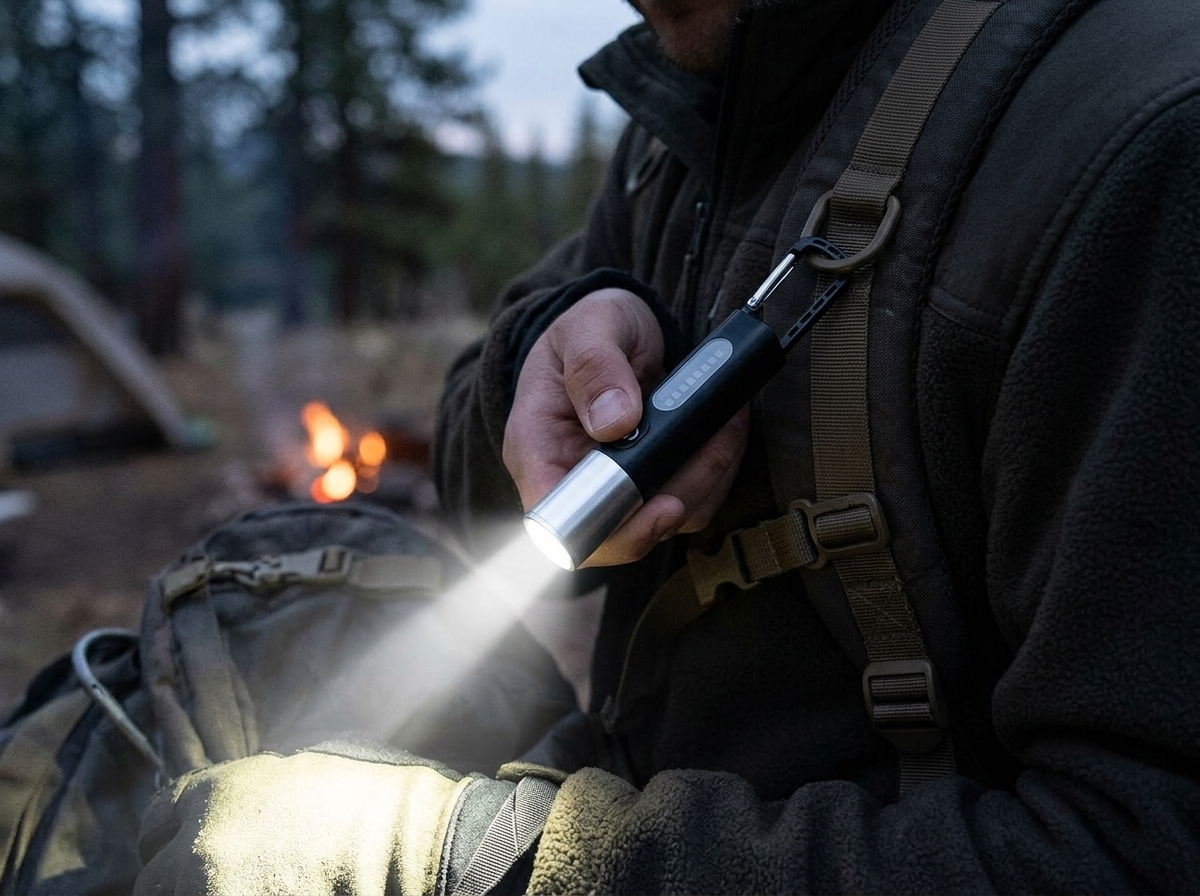
Step 1. Write a brief the factory can quote from
Everything later leans on this document. Say who the light is for and where it will be sold. Give the brightness and runtime you're aiming at, the battery type and capacity, how it charges, the waterproof level you need, the body material, your target retail price, and any certification the destination market demands. A fuzzy brief gets a fuzzy quote, and the gap comes back as change orders. Not sure about a spec? Say so, and ask the engineers to propose two options with the cost difference of each.
Step 2. Engineering review
Now the factory's engineers go through the brief looking for trouble. A good team catches things like a wall too thin to mold cleanly, a battery compartment with no room for a protection circuit, or a switch that looks fine in a render and feels wrong in a hand. Fixing any of that now costs a conversation. After the mold is cut, the same fix costs real money.
Step 3. Prototype and sampling
Step 4. Tooling and molds
Custom housings mean injection molds or aluminum machining fixtures. This step locks the design in place and carries the biggest one-time bill. Before you pay, get two things settled. Who owns the tooling, and can it move to another factory later? And how many first-shot trial samples will you see before the mold goes into regular use?
Intellectual property deserves a few minutes here, because it's easy to forget until it's a problem. The World Intellectual Property Organization points out that when design or production is outsourced, a written contract should settle who owns what, and that showing a new design to someone without a confidentiality agreement can put your rights at risk (its SME guidance on IP and international trade covers this). A short NDA plus a tooling ownership clause, signed before drawings change hands, handles much of the exposure.
Step 5. Pre-production sample and compliance testing
With tooling approved, the factory builds a sample from the real molds and production-grade parts. This is the unit that goes to testing. Output, beam distance, runtime, and impact resistance are normally reported against the ANSI/PLATO FL1 standard, which is why the numbers on your packaging can be compared fairly with a competitor's. Market paperwork (CE, RoHS, FCC, and UN38.3 battery transport documents) gets collected now too. Find a failure at this point and you have time to fix it. Find it after the cartons are sealed and you don't.
|
Test or Document |
What It Checks |
When to Request It |
|
FL1-style performance test |
Lumens, beam distance, runtime, drop resistance |
Pre-production sample |
|
Waterproof / IP test |
Ingress protection at the stated rating |
Pre-production sample |
|
CE / RoHS / FCC reports |
Market compliance and restricted substances |
Before the production order |
|
UN38.3 battery report |
Lithium cell transport safety |
Before the first shipment |
Step 6. Mass production and quality control
On the floor, a run moves from incoming parts inspection to electronics assembly, housing assembly, aging and function tests, then packing. Quality checks happen three times: on incoming materials, along each line, and as a random inspection of finished cartons against an agreed acceptance level. Ask to see the inspection sheet and the defect categories before the run starts. It's far easier than arguing afterward about what counts as a fail.
A factory's quality system tells you something, too. ISO publishes ISO 9001 as the international standard for quality management systems, and it stresses that certification is voluntary and comes from an audit by an independent body (see its overview of ISO 9001). A certificate won't replace checking your own samples. Still, a supplier with a current one, and records to show you, has at least been looked at by somebody outside the building.
Step 7. Packaging, shipping, paperwork
Packaging is part of the product, and it's where branding mistakes tend to surface: a wrong barcode, a missing warning symbol, a logo a few millimeters off. Approve a printed proof, not just a PDF. Then pin down shipping terms, carton markings, and the documents customs will ask for, including battery paperwork on rechargeable models.
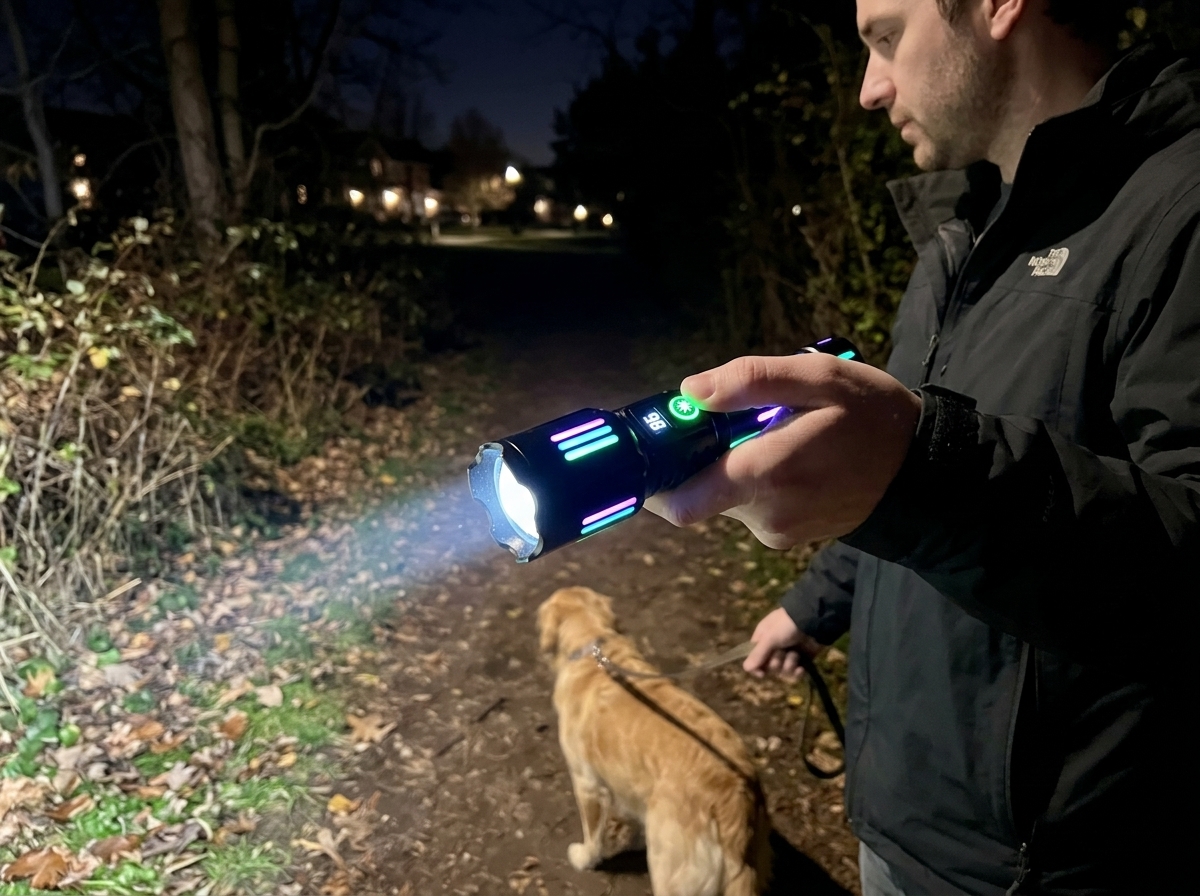
OEM or ODM, which fits you?
It depends on where your business is today more than on preference. Some patterns come up again and again:
- Testing a market. Go ODM. A proven platform with your branding gets product in front of customers fast, and you learn what sells before paying for tooling.
- Already holding a concept, a patent, or drawings from a design agency? That's OEM territory. The factory's job is to reproduce your design faithfully, and your risk sits in tolerances and consistency.
- Wanting to stand out without a full redesign. Take an existing platform and change the color, finish, switch, mode order, or light source. Far cheaper than new tooling, and often distinct enough on a shelf.
- Switching suppliers. Ask for the current tooling and drawings first, and get in writing what the new factory can and can't reuse.
How long will it take?
Treat any quoted timeline as a range. A light change to an existing model can go from approved sample to shipment in a few weeks. A fully custom design, with several sample rounds, new molds, testing, and a production run, more often takes a few months from brief to first delivery. And here's the part buyers don't expect: the delays that pile up are usually on the buyer's side. Sample feedback, artwork sign-off, payment milestones. Answering each within a day or two will save more time than any pressure you put on the production schedule.
What to ask before you start
A handful of questions up front shows how a factory really works:
- Is engineering and mold design done in-house, or farmed out?
- Can I see your inspection report format for finished cartons, and what acceptance level do you apply?
- Which LED and battery cell brands go into this model, and will they be named in the order contract?
- If a batch fails inspection, what happens: rework, replacement, or credit? Who pays?
- How are tooling ownership and confidentiality handled if I later want to move production?
Where projects usually slip
|
Common Delay |
Typical Cause |
How to Avoid It |
|
Repeated sample rounds |
Spec changes after the first sample |
Freeze the brief before sampling begins |
|
Tooling rework |
Design issues found after the mold is cut |
Insist on a design-for-manufacture review first |
|
Certification retests |
Components changed after testing |
Lock the bill of materials at pre-production |
|
Packaging errors |
Artwork approved on screen only |
Sign off a physical printed proof |
What moves the price and the minimum order
A few variables do the heavy lifting:
- Tooling. A new housing needs a new mold, a fixed cost spread over your first order. Bigger runs dilute it.
- Battery and LED choice. Named-brand cells and emitters cost more than generic ones, and the difference barely shows on a spec sheet. Ask for brand and capacity in writing.
- Finish and materials: anodized aluminum costs more than ABS, and every extra surface treatment adds a step.
- Packaging, from a plain color box up to a gift set with foam inserts.
Minimums follow from all this, and they differ by model even inside one factory. On LEBOTE's own product pages, listed minimum orders run from 100 pieces on some models to 1,000 on others. Fully custom tooling typically asks for more than either figure.
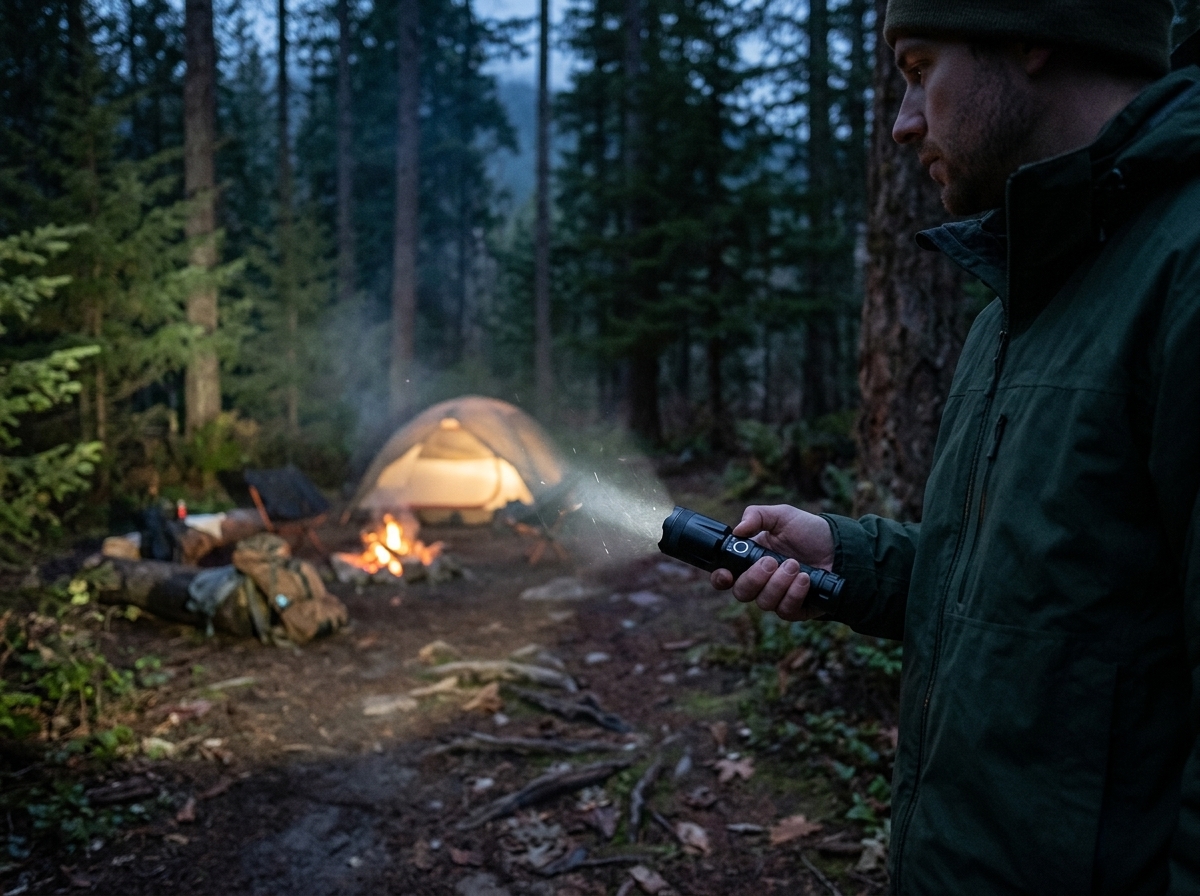
Working with LEBOTE on an OEM or ODM project
LEBOTE has run out of Ningbo, Zhejiang since 2010. It has more than 200 employees, tests products to CE, RoHS, and FCC requirements, and runs waterproof and drop tests before shipment. OEM and ODM projects can cover custom housings, branding, packaging, and light-source configuration, and some product pages mention a one-stop customization service, like the T6 rechargeable flashlight. If you'd rather start from an existing platform, the T1 portable spotlight lists a 100-piece minimum, a sensible test run before you commit to tooling. And if you're still comparing factories, our B2B sourcing guide to mobile lighting manufacturers in China is a handy companion.
Frequently Asked Questions
Q: What is the difference between OEM and ODM flashlight manufacturing?
A: With OEM you supply the design and the factory builds it. With ODM the factory supplies a ready platform and you add branding, packaging, and some changes. Plenty of projects land in between.
Q: What is the minimum order quantity for a custom flashlight?
A: It depends on the model and how much is customized. On LEBOTE's product pages the listed minimumsgo from 100 pieces to 1,000 pieces, and fully custom tooling usually needs a bigger first order to cover mold costs. Confirm the figure for your design when you ask for a quote.
Q: Do I need to pay for samples?
A: Terms differ by factory and by how new the design is. A light tweak to an existing model is simpler than a fully custom build. Ask for the sample cost, the number of rounds included, and the timing before you begin.
Q: Who owns the tooling and the design?
A: Settle it in writing before any drawings are shared. A short NDA and a tooling ownership clause, including whether molds can move to another factory later, protect both sides.
Q: Which certifications can the factory support?
A: LEBOTE tests to CE, RoHS, and FCC requirements, plus waterproof and drop protocols, and reports are available on request. For rechargeable models, also ask for UN38.3 battery transport documents before the first shipment.
Q: Can I start from an existing LEBOTE model instead of a new design?
A: Yes. Changing the housing, finish, light source, mode order, or packaging on an existing platform is the faster, cheaper route, and it's often distinct enough to stand apart.
Q: How do I check quality before the goods ship?
A: Approve a pre-production sample, write the inspection acceptance level into the contract, and ask for the final inspection report. On a first order, many buyers also hire an independent inspector to check a random sample of finished cartons.
Q:OEM and ODM Flashlight Manufacturing Process Explained?
A:Start Your Custom Flashlight Project With LEBOTE
LEBOTE builds flashlights, headlamps, work lights, and camping lights at its own factory in Ningbo, Zhejiang, with CE, RoHS, and FCC test reports available on request. The team handles OEM and ODM projects, including custom housings, light-source options, branding, and private-label packaging, and can talk you through tooling, sampling, and testing before you commit to a run. Browse the full product catalog to find a starting platform, then send your target specs, order volume, and destination market for a formal quote.
Where to Find Wholesale LED Work Light Suppliers